The Beauty and Science of Ethiopian Opals: Formation, Fire, and Value
Ethiopian opals have rapidly become some of the most sought-after gemstones in the world. Known for their vivid flashes of color often called “fire” these stones combine geological rarity, natural beauty, and cultural heritage. Understanding how Ethiopian opals form and what makes them unique helps buyers, collectors, and jewelry lovers appreciate their true value.
Larry M. David
2/2/20262 min read
The Beauty and Science of Ethiopian Opals: Formation, Fire, and Value
Ethiopian opals have rapidly become some of the most sought-after gemstones in the world. Known for their vivid flashes of color often called “fire” these stones combine geological rarity, natural beauty, and cultural heritage. Understanding how Ethiopian opals form and what makes them unique helps buyers, collectors, and jewelry lovers appreciate their true value.
What Makes Ethiopian Opals Special?
Unlike many other opal varieties, Ethiopian opals particularly those from the Welo region are often found in volcanic rock formations rather than sedimentary deposits. This gives them unique characteristics:
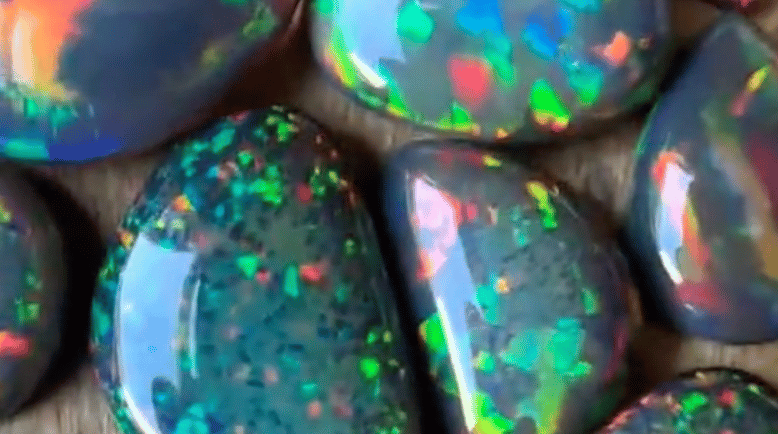
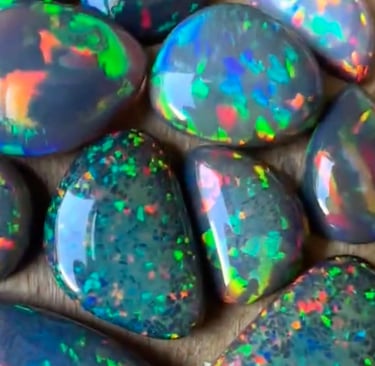
Bright, multi-color play-of-color (red, green, blue, yellow)
High transparency or crystal clarity
Lightweight structure compared to Australian opals
Wide variety of patterns, from honeycomb to rolling flash
These natural traits make Ethiopian opals highly versatile for jewelry and gemstone collectors.
How Ethiopian Opals Form
Opals are formed when silica-rich water seeps into cavities in volcanic rock. Over thousands to millions of years, microscopic silica spheres arrange themselves in a structured pattern. When light hits these spheres, it bends and diffracts creating the famous rainbow flashes that make opals so captivating.
The precise arrangement of these silica spheres determines the intensity and color of the play-of-color. The better the structure, the stronger and brighter the fire.
Why Opal “Fire” Happens
The colors in opals are not pigments. They are optical effects caused by the stone’s internal structure. Larger silica spheres tend to produce red and orange flashes (rarer and more valuable), while smaller spheres produce blues and greens.
This is why two Ethiopian opals can look completely different, even from the same mine.
Ethiopian Opals in Jewelry
Thanks to their brightness and lighter tone, Ethiopian opals are excellent for:
Rings
Pendants
Earrings
Custom jewelry pieces
Their ability to display strong color even in smaller sizes makes them popular among designers.
Collectors and buyers seeking natural Ethiopian opal gemstones or handcrafted opal jewelry can explore reputable specialized sources such as Sheba Gemstones, which focuses on Ethiopian opals and natural stone craftsmanship.
Value Factors
When evaluating Ethiopian opals, professionals look at:
Brightness of play-of-color
Dominant colors (red is rarest)
Transparency
Pattern type
Size and cut
Natural, untreated stones with strong brightness and rare colors command the highest value.
Cultural and Geological Significance
Ethiopia has become one of the most important opal-producing regions in modern gemology. The discovery of high-quality deposits in the last two decades has reshaped the global opal market, providing access to stones with incredible color at various price levels.
Conclusion
Ethiopian opals combine geology, light physics, and natural artistry in a single gemstone. Their vibrant fire, volcanic origins, and growing importance in the jewelry world make them one of today’s most fascinating gemstones.